
Cybersecurity is no longer optional it is a necessity. Understanding cyber security importance can mean the difference between keeping your data safe and becoming the next victim of a costly cyber attack. In this guide you will learn exactly how to protect your digital life with practical real world solutions. The reality is most people do not think about cybersecurity until something goes wrong. A sudden data breach stolen passwords or malware infection can expose sensitive data and disrupt your entire system. These problems often happen because of simple mistakes like weak security habits or lack of awareness.
Cybersecurity and the Importance of Cyber Security Today

In today’s digital world most people do not think about protection until something goes wrong. A single mistake can expose personal files business systems or even financial accounts. Understanding the importance of cyber security is no longer optional it is essential for survival in a connected environment. Cybersecurity has become a core part of daily life because almost everything we do relies on digital systems. From online banking to social media and remote work our sensitive data moves constantly across networks. Without proper protection this information can be exposed through a breach leading to serious consequences.
Why Cybersecurity Important in the Digital World
Cybersecurity is the practice of protecting systems networks and data from digital attacks. It safeguards all types of data including confidential information and personal records. As technology grows the risks also increase making cybersecurity important for individuals and organizations alike. In the modern digital world security refers to protecting systems from unauthorized access and malicious activity.
Businesses and individuals face increasing cyber risk because attackers constantly search for vulnerabilities. These weaknesses allow hackers to exploit systems often resulting in a data breach. Cybersecurity is important because it ensures privacy and security across all platforms. Without it, even simple tasks like logging into an account could become dangerous. Strong cybersecurity helps maintain trust especially when dealing with financial or sensitive information.
How Cyber Threats Impact Individuals and Organizations
A cyber threat can affect anyone from a single user to large enterprises. These threats often target sensitive data such as passwords financial details or social security numbers. Once attackers gain unauthorized access they can misuse this information for fraud or identity theft. For businesses a breach can lead to operational disruption financial loss and reputational damage. Security breaches also impact business continuity making recovery difficult and expensive. Many organizations invest heavily in security spending to prevent such incidents. Individuals and organizations both face growing security risks. For example a simple phishing email can lead to malware infection exposing entire systems. Cyber incidents like these highlight the importance of proactive protection and awareness.
The Role of Cybersecurity in National Security
Cybersecurity also plays a major role in national security. Governments protect critical infrastructure such as power grids communication systems and healthcare networks. A successful cyber attack on these systems could disrupt entire societies. Agencies like the cybersecurity and infrastructure security agency focus on protecting national systems from cyber threats. These organizations work to strengthen cyber defense and improve security strategies across sectors. The importance of cybersecurity extends beyond individuals and businesses. It protects entire nations by ensuring that essential services remain secure and operational.
Types of Cybersecurity and Different Types of Cyber Protection
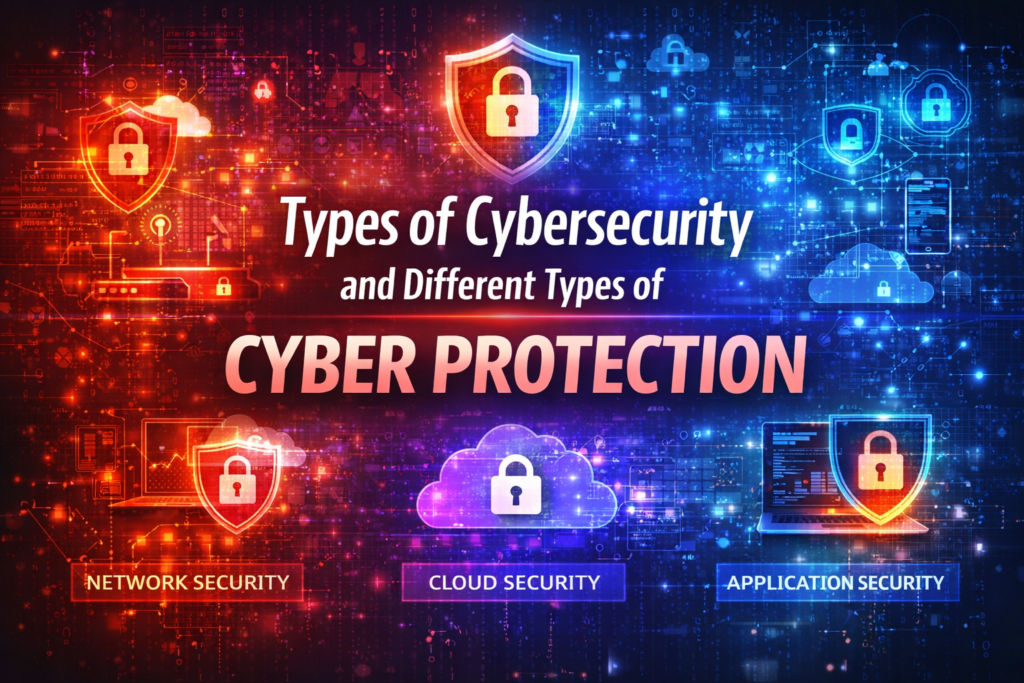
Many users believe cybersecurity is just antivirus software but protection is actually built on multiple layers. Understanding the different types of cybersecurity helps create a stronger defense against modern threats.
Types of Cybersecurity Explained
There are several types of cyber protection designed to secure different parts of a system. Network security focuses on protecting internal systems from external threats. Cloud security ensures that data stored online remains safe from unauthorized access. Application security protects software from vulnerabilities that could be exploited by attackers. Endpoint security protects devices like laptops and smartphones ensuring they do not become entry points for attacks. Each type of cybersecurity plays a critical role in building a strong cybersecurity system. Together they create a layered defense that reduces overall risk.
How Each Security Layer Protects Data
Each layer works to protect data in a specific way. Network security monitors traffic to detect unusual activity. Cloud security ensures that sensitive information stored online remains encrypted and safe. Application security prevents malicious code from affecting software performance. Endpoint security protects individual devices ensuring that malware does not spread across systems. This layered approach helps protect sensitive data and reduces vulnerability. It ensures that even if one layer fails others continue to provide protection.
Security Architecture and Security Systems Overview
Security architecture defines how systems are designed to prevent attacks. It includes security technologies frameworks and tools that work together to enhance security. Modern security systems rely on automated security tools to detect and respond to threats quickly. These systems improve security posture by identifying weaknesses before attackers can exploit them. A well designed security architecture ensures that organizations maintain a robust security environment. It also supports compliance with security regulations and standards.
Common Cybersecurity Threats and Common Cyber Security Threats
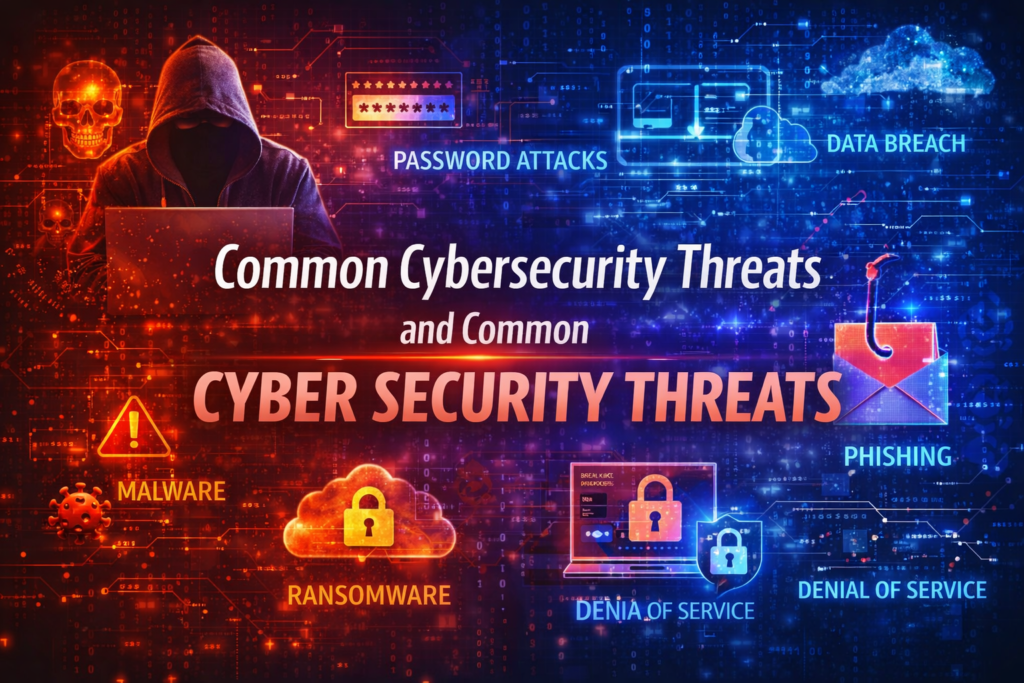
Most cyber attacks happen because of simple mistakes or lack of awareness. Understanding common cybersecurity threats can help users avoid costly errors.
Common Types of Cyber Threats
Common types of threats include malware phishing and social engineering attacks. Malware is designed to damage systems or steal data while phishing tricks users into revealing sensitive information. Social engineering manipulates people into giving access to systems. These attacks often exploit human behavior rather than technical vulnerabilities. These common cybersecurity threats continue to evolve making it important to stay informed and cautious.
How Cyber Attacks Work in Real Life
A typical cyber attack starts with identifying a vulnerability. Attackers then use malicious techniques to gain unauthorized access. Once inside they can steal data or disrupt systems. For example a weak password can allow attackers to access accounts easily. This often leads to a data breach exposing personal or business information. Understanding how attacks work helps users recognize warning signs and take preventive measures.
Latest Cybersecurity Threats in the Current Cyber Landscape
The current cyber environment is constantly changing. New threats emerge as technology evolves. Reports like the hiscox cyber readiness report highlight the increasing frequency of attacks. Cybersecurity threats now target both individuals and large organizations. Attackers use advanced techniques to bypass traditional security measures. Staying updated on these trends helps users adapt and improve their security strategies.
Cyber Attack Risks and Security Threats You Must Know
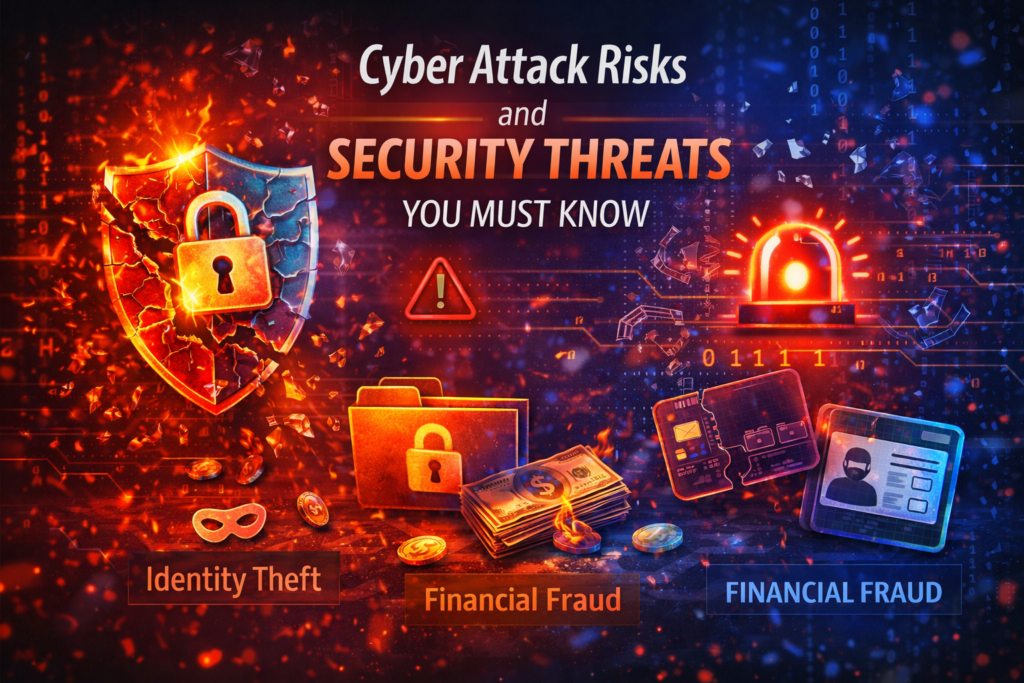
Many people underestimate the risks associated with cyber attacks until they experience one. Understanding these risks is key to prevention.
Understanding Cyber Attack Methods
A cyber attack often involves exploiting a vulnerability within a system. Attackers use malicious software or techniques to gain access and control. These attacks can spread quickly especially if systems lack proper protection. Once attackers gain access they can cause significant damage.
Security Threats to Businesses and Individuals
Security threats affect both businesses and individuals. Businesses risk losing customer trust while individuals may face identity theft. Sensitive data such as financial records and personal information are prime targets. Security breaches can lead to long term consequences.
Potential Security Risks in Everyday Technology
Everyday devices can pose potential security risks if not properly secured. Smartphones laptops and smart devices are all vulnerable to attacks. Using secure connections and updating software regularly can reduce these risks significantly.
Best Practices for Cybersecurity and Strong Security Posture
Many people rely on basic protection, but true security requires consistent effort and awareness.
Cybersecurity Best Practices for Everyday Users
Using strong passwords and enabling authentication are essential steps. Regular updates and monitoring also help maintain security. Security awareness training helps users recognize threats and avoid mistakes.
Security Policies and Security Measures That Work
Organizations implement security policies to ensure consistent protection. Security measures include monitoring systems and controlling access. Security audits help identify weaknesses and improve overall protection.
Tools and Security Solutions for Protection
Security software and tools play a major role in defense. These solutions detect threats and respond quickly. Automated security systems improve efficiency and reduce human error.
Security Awareness and Cybersecurity Professionals Role

Technology alone cannot prevent attacks. Human awareness is equally important.
Importance of Security Awareness Training
Awareness training helps users understand risks and respond appropriately. It reduces the chances of falling victim to attacks.
Role of Cybersecurity Professionals
Cybersecurity professionals manage systems and respond to threats. Information security analysts monitor systems to detect suspicious activity.
Building a Culture of Security
Creating a culture of security ensures long term protection. It involves educating users and improving security management.
Security and Compliance in Cybersecurity Systems
Compliance is often overlooked but it plays a critical role in maintaining trust and reliability.
Understanding Security and Compliance Requirements
Organizations must follow security regulations to protect user data. Compliance ensures that systems meet required standards.
Security Controls and Security Operations
Security controls help manage risks while security operations ensure continuous monitoring.
Ensuring Business Continuity Through Security
Strong security systems support business continuity by preventing disruptions.
Importance of Protecting Sensitive Data and Information Security
Data is one of the most valuable assets in the digital world. Protecting it is essential.
Why Protecting Sensitive Data Matters
Sensitive data includes personal and financial information. Protecting it prevents misuse and fraud.
Data Security and Information Security Strategies
Data security involves protecting data from unauthorized access. Information security focuses on maintaining confidentiality.
Enhancing Security in the Digital World
Security helps prevent breaches and ensures long term protection.
Comparison Table: Native vs Advanced Cybersecurity Protection
| Feature | Basic Security | Advanced Cybersecurity |
| Protection Level | Low | High |
| Threat Detection | Limited | Real time |
| Data Protection | Basic | Advanced encryption |
| Response Time | Slow | Immediate |
| Risk Reduction | Minimal | Strong |
Conclusion: Why Cybersecurity Matters More Than Ever
Cybersecurity remains one of the most critical aspects of modern life. It protects individuals businesses and entire nations from evolving threats. Without strong protection the risks of data breaches financial loss and system failure continue to grow. The importance of protecting digital systems cannot be ignored. By understanding threats applying best practices, and staying informed users can significantly reduce their risk. Cybersecurity helps create a safer digital environment where trust and innovation can thrive.
What is cybersecurity and why is it important?
Cybersecurity is the practice of protecting systems networks and data from cyber threats. It is important because it prevents unauthorized access protects sensitive data and reduces the risk of a data breach in today’s digital world.
What are the most common cybersecurity threats?
The most common cybersecurity threats include malware phishing social engineering and ransomware attacks. These threats often target vulnerabilities in systems and can lead to security breaches or loss of sensitive information.
How can individuals protect their data from cyber attacks?
Individuals can protect data by using strong passwords enabling authentication updating software regularly and avoiding suspicious links. Following basic cybersecurity best practices helps reduce risks and prevent unauthorized access.
What are the main types of cybersecurity?
The main types of cybersecurity include network security cloud security application security and endpoint security. Each type focuses on protecting different parts of digital systems from cyber threats.
How do businesses handle cybersecurity risks?
Businesses handle cybersecurity risks by implementing security policies using security tools conducting security audits and training employees. These steps help improve security posture and protect sensitive data from cyber incidents.