Every modern organization depends on trust. When a company experiences a cyber incident the technical response is only part of the solution. What often determines long term reputation is communication. Effective cybersecurity PR ensures that organizations explain complex security situations clearly, protect credibility and maintain confidence among every stakeholder. Many cybersecurity companies struggle when security incidents occur. Technical teams focus on incident response but they often underestimate the importance of strategic messaging. A poorly delivered message can create confusion trigger misinformation and damage brand recognition across the cybersecurity market.
(Public Relations for Cyber Security) This guide explains how public relations supports cybersecurity organizations before during and after a breach. It explores how a cybersecurity pr agency structures communication coordinates with the incident response team and maintains visibility while managing risk. From media relations to stakeholder engagement you will learn how professional pr experts shape narratives that help organizations build trust and protect reputation. By the end of this guide you will understand the communication framework used by experienced pr professionals to handle cyber crisis situations manage disclosure requirements and translate technical details into clear messaging for the technology and business media.
Why Cybersecurity PR Communication Helps Cybersecurity Companies Manage Cyber Message
The Growing Cybersecurity Market and the Need for Strategic Communication
The cybersecurity market has expanded rapidly as organizations face an increasingly complex threat landscape. Businesses now rely on cybersecurity companies to protect infrastructure safeguard cloud security environments and detect emerging vulnerabilities. However technical capability alone does not guarantee success. Organizations must also communicate their expertise effectively. This is where cybersecurity pr becomes essential. Cybersecurity companies often operate in highly technical domains where products rely on encryption threat detection and complex infrastructure defense. These solutions can be difficult for non technical audiences to understand. Strategic communication helps translate these capabilities into meaningful value for customers and investors.
How Public Relations for Cyber Security Visibility and Credibility
Visibility within thecybersecurity industry does not happen automatically. Organizations compete for attention across technology and business media outlets that cover emerging threats and security innovation. Without strategic public relations and marketing even strong solutions may struggle to gain recognition. A well structured pr strategy focuses on building credibility through consistent messaging and authoritative commentary. Through interviews briefings and media outreach cybersecurity companies establish themselves as trusted voices in discussions about the threat landscape. One of the most effective approaches involves thought leadership.
When experts such as cisos provide insights into vulnerabilities incident response practices or threat detection techniques organizations position themselves as authorities in the cyber space. Over time this visibility builds trust with clients and industry partners.
Role of a Public Relations Team in the Cybersecurity Industry
Within cybersecurity companies communication is often managed by a communications team working alongside marketing and executive leadership. This team collaborates closely with technical experts to ensure messaging accurately reflects security capabilities. During product launches or research announcements the public relations team coordinates press release distribution, media outreach, and influencer engagement. These activities help amplify awareness of new innovations while maintaining consistent messaging.
Common Communication Mistakes During a Cyber Incident
Despite technical preparedness many organizations struggle with communication during a cyber incident. A common mistake is delaying communication until all information is confirmed. While accuracy is essential waiting too long can allow speculation and misinformation to spread. Another issue occurs when messaging focuses entirely on technical remediation. Stakeholders often care less about technical terminology and more about impact risk and recovery. Without clear messaging organizations risk appearing evasive or unprepared.
How PR Experts Help Cybersecurity Companies Shape a Clear Message

Translating Technical Details into Non-Technical Messaging
One of the greatest challenges in cybersecurity communication is translating complex technical details into language that broader audiences understand. Security researchers and engineers often discuss vulnerabilities encryption protocols and threat detection methods using specialized terminology.
Pr experts bridge this gap. They work closely with technical teams to understand the nature of security incidents and the steps taken for remediation. From there they craft messaging that conveys the seriousness of the issue while remaining understandable. This process often involves simplifying complex concepts without losing accuracy. For example instead of describing intricate vulnerability mechanics messaging may focus on what the issue means for affected stakeholders and how the organization is addressing it.
Positioning Cybersecurity Companies as Thought Leadership Authorities
Thought leadership plays a central role in building credibility across the cybersecurity market. Organizations that consistently share insights about emerging threats demonstrate expertise and commitment to protecting the broader ecosystem. Through interviews opinion articles and commentary on security trends cybersecurity companies position their experts as trusted advisors. This strategy benefits both the organization and the industry. When experts discuss vulnerabilities attack patterns or evolving ransomware strategies they help businesses prepare for potential threats.
Building Credibility Through Media Relations and Security Media
Media relations is another essential component of cybersecurity public relations. Journalists covering technology and security topics rely on credible sources who can explain complex issues quickly. Organizations that build strong relationships with reporters gain opportunities to contribute expert insights during breaking news events such as data breach investigations or cyber crisis situations. These interactions increase visibility while reinforcing credibility. When journalists trust an organization’s expertise they often return for commentary on future stories.
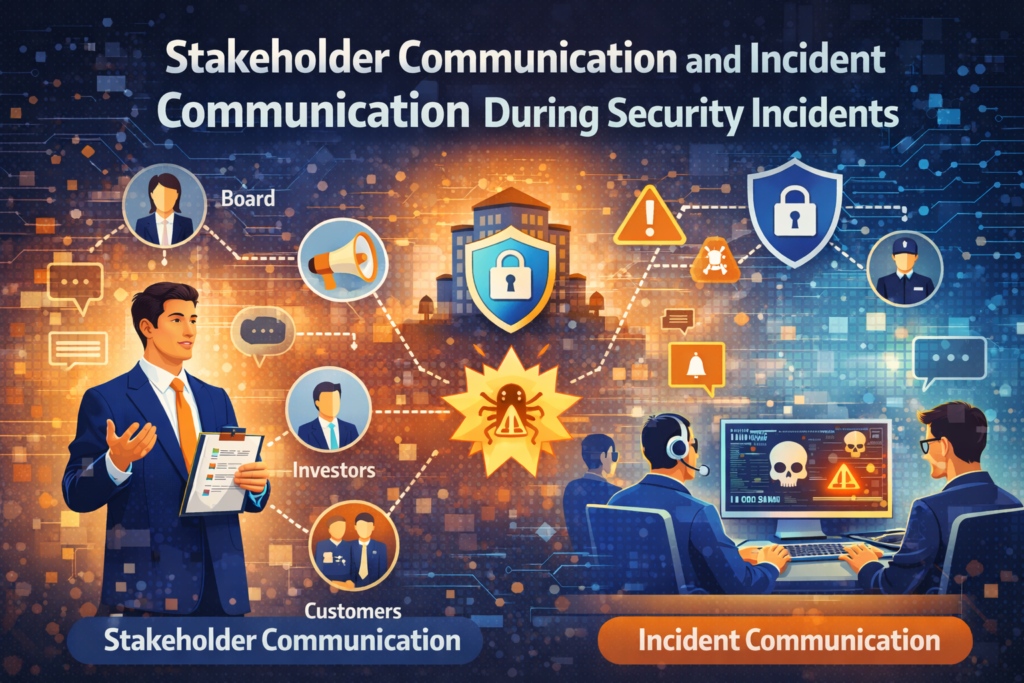
Stakeholder Communication and Incident Communication During Security Incidents
Why Stakeholder Transparency Matters During a Data Breach
When a data breach occurs stakeholders expect transparency. Customers want reassurance that their information remains protected while regulators expect organizations to follow reporting requirements and disclosure guidelines. Transparent communication helps maintain trust during these situations. By providing clear updates about the nature of the incident and the steps taken for remediation organizations demonstrate responsibility and accountability. At the same time communication must balance openness with caution. Revealing sensitive information too early may hinder investigations or expose additional vulnerabilities.
Coordinating Communication with the Incident Response Team
Effective communication during security incidents requires close coordination between the communications lead and the incident response team. Technical experts analyze the breach while communication specialists craft messaging that explains developments to stakeholders. This collaboration ensures that statements reflect accurate information without unnecessary speculation. It also helps organizations communicate early addressing concerns before misinformation spreads. When communication is aligned with technical response efforts organizations maintain control of the narrative and protect their reputation.
Comparison Table: PR Strategy vs Crisis Outcomes
| PR Strategy | Key Objective | Expected Outcome |
| Strategic cybersecurity communication | Build trust among stakeholders | Strong credibility during security incidents |
| Media relations engagement | Increase visibility in security media | Broader media coverage |
| Crisis communication planning | Manage messaging during breach | Reduced reputational damage |
| Thought leadership campaigns | Demonstrate industry expertise | Increased brand recognition |
| Stakeholder transparency | Maintain accountability | Stronger long term relationships |
Conclusion
Cybersecurity threats are now an unavoidable reality for organizations operating in a connected world. While technical defenses remain essential the way organizations communicate during security incidents often determines how stakeholders perceive their competence and integrity. Cybersecurity PR provides the structure needed to manage these complex situations. Through clear messaging strategic media relations and transparent communication with stakeholders organizations protect both reputation and credibility.
A cybersecurity pr agency helps organizations navigate these challenges by developing communication frameworks coordinating with incident response teams and ensuring compliance with legal obligations. These efforts allow companies to maintain trust even during difficult moments such as a cyber incident or data breach.
What is cybersecurity PR and why is it important?
Cybersecurity PR focuses on strategic communication for cybersecurity companies during normal operations and security incidents. It helps organizations explain complex cyber issues manage stakeholder expectations and maintain credibility. Effective public relations ensures that companies communicate clearly about threats, solutions and incident response while protecting their reputation in the cybersecurity industry.
What does a cybersecurity PR agency do?
A cybersecurity PR agency helps security companies manage communication media relations and crisis messaging. These agencies work with technical teams to translate complex cybersecurity topics into clear messages for stakeholders journalists and clients. They also support organizations during incidents such as a breach or ransomware attack by coordinating communication and protecting brand credibility.
How should companies communicate after a data breach?
After a data breach organizations should communicate quickly transparently and responsibly. The communications team should explain what happened, what data may be affected and what remediation steps are underway. Clear messaging reassures stakeholders and demonstrates accountability while helping the organization maintain trust and control of the narrative.
Why is stakeholder communication critical during security incidents?
Stakeholder communication ensures that customers partners and regulators receive accurate updates during security incidents. Clear communication reduces uncertainty and misinformation while helping organizations maintain credibility. By addressing concerns early and explaining response actions, companies can build trust even during difficult cyber crisis situations.
How does PR help cybersecurity companies build industry credibility?
Public relations helps cybersecurity companies build credibility by increasing visibility through media coverage thought leadership and expert commentary. When security experts share insights about the threat landscape or incident response practices they position their organizations as trusted authorities. Over time this visibility strengthens brand recognition and trust across the cybersecurity market.